📧 mithvin@gmail.com
📞+91 900 608 4701

📧 mithvin@gmail.com
📞+91 900 608 4701

Content marketing has become a cornerstone for modern businesses aiming to establish brand awareness, generate leads, and drive sales.
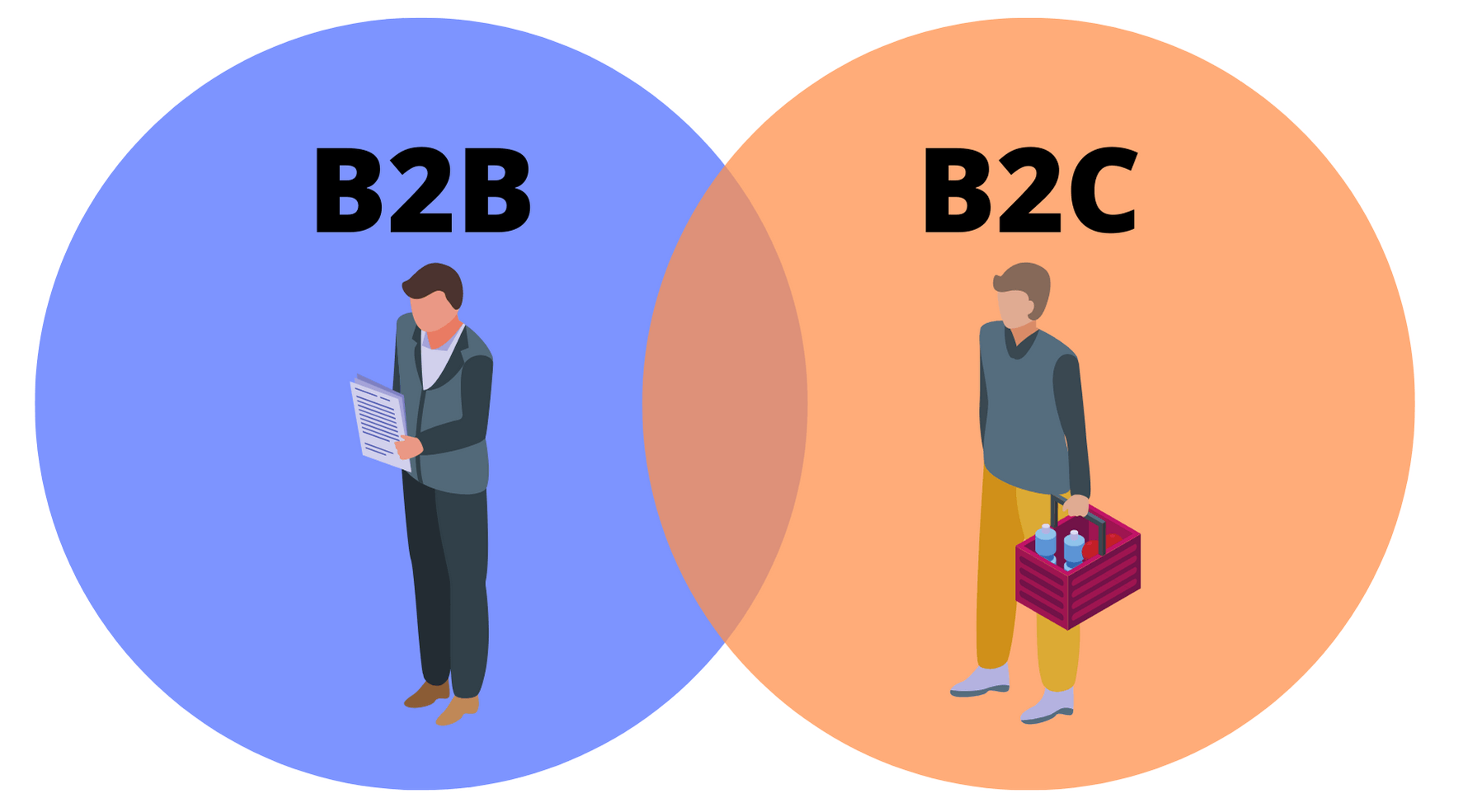
However, when it comes to targeting businesses (B2B) versus individual consumers (B2C), the approach, tone, and strategies differ significantly.
This article delves deep into the distinctions between B2B and B2C content marketing, explores best practices, and highlights how to navigate these domains effectively.
The difference between B2B and B2C marketing is often a point of confusion for business owners.
However, the distinction is easy to understand when you know what each type of marketing entails which is business-to-business vs business-to-customer marketing.
In this blog, we’ll discuss the differences between the two types of marketing, why it matters for your business, and how to take advantage of both.
The marketing is usually done through networking, email, and direct mail. An example of B2B marketing is an IT company sending out an email newsletter to its clients explaining the latest software updates.
The most common form of marketing is B2C marketing, which stands for Business to Consumer. This type of marketing is geared towards the end-user—in this case, the customer.
Many view B2C as better in certain aspects because:
However, whether B2C is “better” depends on the business model and goals. Both have unique advantages.
B2C marketing is a type of marketing that focuses on the customer and their needs. This type of marketing is often done to encourage consumers to purchase a product or use a service.
On the other hand, B2B marketing focuses more on interacting with other companies and encouraging them to buy from you.
The foundation of any content marketing strategy lies in understanding the target audience. B2B content caters to decision-makers in businesses, often requiring detailed, data-driven insights.
Conversely, B2C (Business-to-Customer) content appeals to individual consumers, focusing on emotional engagement and entertainment.
Read further to know How to Find Right Target Market & Audience for B2B Business?
The choice of content formats and distribution channels plays a pivotal role in reaching the intended audience effectively. Here are another differences between B2B content marketing approach and B2C marketing approach.
Examples:
Content topics and tone must align with audience preferences.
Tracking performance metrics ensures the effectiveness of your content marketing strategies after investing in B2B vs B2C content writing services and efforts.
Despite their differences, B2B and B2C marketing share some foundational principles:
Content marketing is not without its hurdles. Both B2B and B2C marketers face challenges like adapting to algorithm changes, keeping pace with trends, and balancing organic and paid strategies.
Are you looking to enhance your content marketing strategy with high-quality, targeted content?
At Mithvin YRB, we specialize in delivering B2B and B2C content solutions tailored to your unique audience. Let’s drive your business forward with impactful storytelling and actionable insights.
Contact us today to transform your content game!
Need an Urgent Support?
Content marketing is a dynamic field that demands a nuanced understanding of audience needs. While B2B content focuses on data-driven solutions and longer sales cycles, B2C content thrives on emotional connections and quick decision-making. By aligning strategies with audience preferences and leveraging data analytics, businesses can achieve significant growth and engagement.
B2B content marketing targets businesses and focuses on data-driven, professional content, whereas B2C content marketing targets individual consumers and emphasizes emotional engagement and entertainment.
LinkedIn, email marketing, and industry-specific platforms are ideal for B2B marketing due to their professional audience.
Storytelling creates a personal connection, making content memorable and impactful, regardless of the target audience.
Metrics like lead generation, conversion rates, and cost per lead are critical for assessing B2B marketing effectiveness.
Audience segmentation ensures that content is tailored to specific needs and preferences, improving engagement and conversion rates.
Read more about Targeting Right Market and Audience for your B2B Business.
B2B content marketing focuses on engaging other businesses, often with educational content, a professional tone, and long sales cycles.
B2C content marketing targets individual consumers, emphasizing entertainment, casual tone, emotional engagement, and shorter sales cycles.
Both B2B and B2C content marketing emphasize understanding the audience, creating high-quality content, utilizing data analytics, building trust, optimizing for search, and measuring strategies.
B2C content marketing, or business-to-consumer content marketing, is a strategy used by businesses to create and share engaging, valuable, and relevant content that appeals directly to individual customers. The primary goal is to build a relationship with consumers, drive brand loyalty, and encourage them to make a purchase.
Common formats for B2C content include blog posts, videos, social media updates, email newsletters, and infographics.
Successful B2C content marketing focuses on emotional appeal, entertainment, and convenience, often addressing immediate consumer needs or desires.
One example of B2C marketing is a clothing brand using Instagram to promote a new fashion line.
They might post visually appealing photos and videos featuring models wearing the outfits in real-life scenarios.
Engaging captions and interactive elements, such as polls or “shop now” buttons, encourage users to engage with the content and make purchases.
Such strategies help brands directly connect with their target audience on platforms where consumers spend their time.
Amazon operates as both a B2B (business-to-business) and B2C (business-to-consumer) company.
> B2C: Amazon sells products directly to individual consumers, offering everything from books and electronics to groceries and apparel.
> B2B: Through Amazon Business, the platform caters to companies and organizations by offering bulk purchasing options, business accounts, and other professional services.
The primary difference lies in the target audience and the content’s tone, style, and objectives:
> B2B Content Marketing: Focuses on providing in-depth, data-driven information to help businesses make informed purchasing decisions. Content is often formal, educational, and solution-oriented.
> B2C Content Marketing: Emphasizes engaging and entertaining consumers to evoke emotions and encourage quick decision-making. It often features a more casual and relatable tone.
While B2B seeks to build trust and long-term relationships, B2C content is geared toward immediate impact and conversions.
1) Audience Focus: B2B marketers create content to address business needs, often targeting decision-makers, while B2C marketers focus on individual preferences and desires.
2) Content Format: B2B content includes whitepapers, case studies, and webinars, while B2C content leverages social media posts, videos, and blogs.
3) Sales Cycle: B2B content supports a longer sales cycle, requiring multiple touchpoints. B2C content drives quicker transactions, often through emotionally charged campaigns.
1) B2B (Business-to-Business): Companies that sell products or services to other businesses. For example, Salesforce provides CRM software to organizations.
2) B2C (Business-to-Consumer): Businesses selling directly to individual consumers. For example, Netflix offers streaming services to households worldwide.
Both involve distinct marketing strategies tailored to their target audiences but share the ultimate goal of driving sales.
Despite their differences, B2B and B2C marketing share several commonalities:
> Both aim to build strong customer relationships and establish brand trust.
> Storytelling plays a crucial role in connecting with the audience.
> Data analytics is essential for understanding customer behavior and optimizing strategies.
> Social media, email marketing, and SEO are widely used in both domains to drive engagement and conversions.
Marketing channels differ for B2B and B2C, though some overlap exists:
1) B2B Marketing Channels:
> LinkedIn for professional networking
> PPC, CPC, or SEM (Search Engine Marketing)
> Google Ads, LinkedIn Ads, Meta Ads, Instagram Ads, YouTube Ads
> Trade shows and webinars for direct interaction
> Industry-specific websites for thought leadership
> Regularly publishing premium and valuable content to connect with users.
2) B2C Marketing Channels:
> Instagram and TikTok for visual storytelling
> Retail websites and e-commerce platforms for direct sales
> Television and influencer marketing for broad audience reach
> Content and SEO Copywriting for trust building
> Instagram Ads, YouTube Ads, and Meta Ads to boost seasonal sales


Your AI Search Readiness Audit Checklist is ready.
> Click the button below to create your own Google Sheets copy.
> Google may ask you to sign in if you’re not already logged in.
> That copy will be saved directly to your Google Drive.